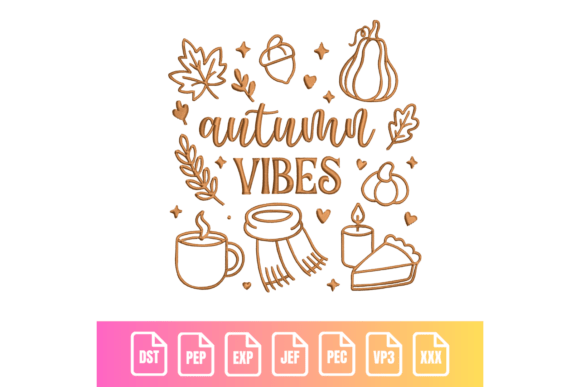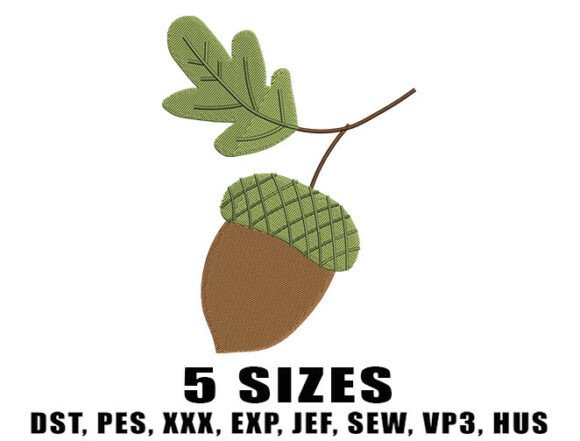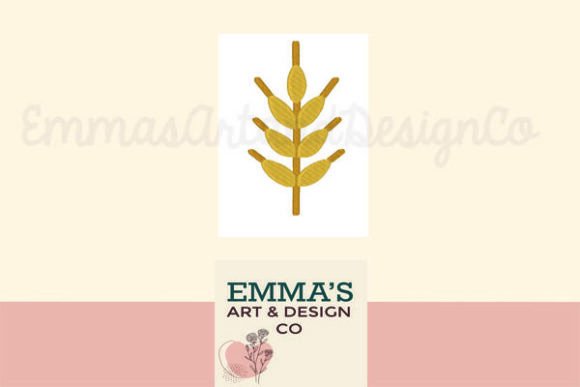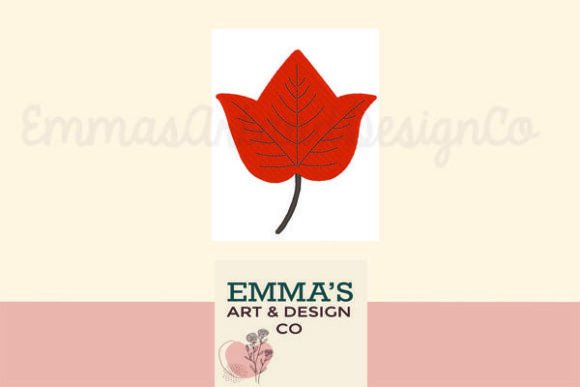
Leaf Machine Embroidery
A Thoughtful, Seasonal Touch for Handmade Gifts That Feel Truly Personal
As an embroidery designer who’s stitched thousands of custom pieces—from baby blankets for first birthdays to wedding towels gifted with quiet intention—I opened Leaf Machine Embroidery with a quiet smile. It’s not flashy or overdesigned. Instead, it carries that rare balance: soft enough for a nursery shelf, grounded enough for a farmhouse kitchen towel, and meaningful enough to become a family keepsake. This isn’t just another autumn motif—it’s a gentle celebration of gratitude, rendered in clean lines and organic flow. The leaves feel hand-drawn, not algorithmic; their curves suggest movement, like a breeze catching a maple branch at golden hour.
Where Leaf Machine Embroidery Shines Most
This Creative Fabrica embroidery design is especially well-suited for projects where emotional resonance matters as much as craftsmanship. Think of a newborn’s receiving blanket—stitched with one delicate leaf near the corner, subtle but full of quiet hope. Or a linen pillow cover for a newlywed couple, embroidered with Leaf Machine Embroidery in muted sage and cream thread, placed beside a handwritten note about growing together. It works beautifully on embroidered towels meant for daily use, not just display—its open shapes avoid excessive stitch density, so towels stay absorbent and soft after washing.
For Etsy sellers and small shop owners, Leaf Machine Embroidery offers versatile storytelling potential. Pair it with neutral-toned tote bags for craft fairs, stitch it onto aprons for local bakeries, or use it on custom gift boxes lined with kraft paper and dried lavender. Because it leans into natural elegance—not holiday cliché—it translates across seasons and occasions. A customer ordering a “thank you” gift for a teacher? This design feels warm and sincere. A baby product maker adding seasonal charm to organic cotton swaddles? It reads gentle, not overwhelming.
Real-World Use Cases You’ll Appreciate
- Baby embroidery: Works well on lightweight cotton knit (with tear-away stabilizer) and medium-weight woven fabrics—just avoid overly dense backing that could irritate sensitive skin.
- Wedding gift: Elegant on ivory linen napkins or monogrammed pillow covers—especially when paired with fine metallic or matte cotton thread.
- Family keepsakes: Stitched onto a quilt square or memory blanket, it adds continuity without competing with photos or handwritten notes.
- Nursery decor: Softens wall hangings or crib skirts when stitched in tonal ecru-on-cream combinations.
- Personalized home decor: Looks intentional on wooden tray liners, ceramic coaster sets (via fabric appliqué), or framed embroidery hoops styled with dried florals.
What to Keep in Mind Before You Stitch
Like any thoughtful machine embroidery design, Leaf Machine Embroidery rewards careful preparation. Its charm lies in its simplicity—but simplicity can be deceptive. If your project involves textured towels, thick fleece blankets, or stretchy baby onesies, take time to test stitch first. Delicate leaf outlines may need slight adjustments in tension or needle size depending on fabric texture. On dark fabric, consider using high-contrast thread (like antique gold or deep olive) to ensure definition without harshness.
Stabilizer choice is key. For lightweight linens or napkins, a light cutaway or tear-away works well. For heavier items like aprons or tote bags, a medium-weight cutaway provides structure without stiffness. And always check stitch density before embroidering on finished products—if the design includes tight clusters or layered fills, confirm it won’t compromise drape or durability.
Why Customers Notice—and Remember—This Detail
In handmade gifting, details build trust. When someone receives a towel embroidered with Leaf Machine Embroidery, they don’t just see a leaf—they sense care. The spacing between elements, the fluidity of each curve, the absence of jagged edges—all signal intentionality. That perception lifts perceived quality, supports higher pricing, and encourages repeat buyers. For Etsy sellers, this kind of refined digital embroidery file helps elevate product photography: natural light catches the subtle sheen of quality thread, and the design doesn’t distract from the item’s function or form.
It also invites engagement. A customer might message asking, “Can you add our baby’s name beside the leaf?” or “Would this work on a denim jacket?” That opens doors for customization—and deeper connection. As a designer, I’ve found that patterns like Leaf Machine Embroidery often become anchor designs in a shop’s lineup: reliable, adaptable, and emotionally resonant across demographics.
Practical Notes for Confident Execution
- Create a test stitch-out on scrap fabric matching your final project’s weight and weave.
- Check small details after stitching—especially leaf tips and connecting stems—to ensure clarity and no skipped stitches.
- Compare thread colors against your fabric under natural light; monitor color shifts on screens versus physical thread spools.
- Test on similar fabric—a terry cloth towel behaves differently than a flat-weave tea towel, even if both are cotton.
- Confirm hoop size and placement early—some layouts benefit from centering, others from off-center or corner placement for visual balance.
- Review stitch density in your embroidery software if editing is allowed—reduce fill density slightly for highly textured surfaces.
- Use proper stabilizer based on fabric type and end-use (e.g., washable projects demand wash-away or permanent cutaway).
- Always review product details and licensing on Creative Fabrica before selling finished products—confirm commercial use rights and file formats included.
Ultimately, Leaf Machine Embroidery earns its place in your digital embroidery library not because it shouts, but because it listens—to the rhythm of a handmade life, to the quiet joy of giving something made with attention, and to the enduring warmth of autumn’s gentle turn.