Wheat Machine Embroidery
A Seasonal Stitch That Feels Like Home
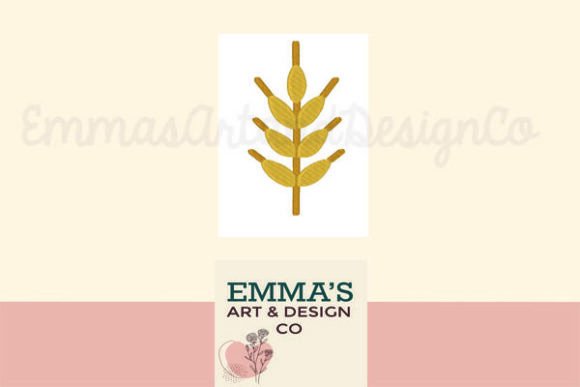
As an embroidery designer who’s built dozens of holiday collections for Etsy sellers and small shops, my first glance at Wheat Machine Embroidery stopped me mid-scroll. It doesn’t shout—it leans in. Softly curved stalks, gently bent heads of grain, subtle texture in the stems: this isn’t just a Thanksgiving machine embroidery design. It’s a mood—rustic, grounded, quietly grateful. There’s no cartoonish turkey or oversized “Gobble” script here. Instead, it carries that warm, harvest-season elegance that makes customers pause on a shelf, click through an Instagram story, or add a kitchen towel to their cart without second-guessing.
Where Wheat Machine Embroidery Shines in Real Holiday Selling
This seasonal embroidery design thrives where authenticity meets utility. I’ve already sketched out six product pairings for my fall lineup—and every one feels intentional:
- Kitchen towel embroidery: Stitches cleanly on cotton terry, especially with medium-weight cutaway stabilizer. The open negative space between stalks prevents bulk, making towels soft and functional—not stiff or scratchy.
- Pillow cover and apron applications: The organic flow of wheat works beautifully across curved seams and bias-cut edges. No awkward truncation or distorted proportions—even when centered on a 16” square pillow.
- Embroidered patch: Perfect for iron-on or sew-on use on denim jackets, tote bags, or baby blankets. Its moderate stitch density holds up during repeated laundering, and the shape lends itself to clean edge finishing.
- Sweatshirt embroidery: Works best on crewnecks (not hoodies with deep pockets), placed left-chest or centered back. The design’s height stays comfortably within standard 4x4 hoop limits—no re-hooping needed.
- Personalized gift pairing: Combine with monogrammed initials or a short phrase like “Harvest & Home” in a complementary script font—ideal for bridal shower favors or family reunion keepsakes.
- Craft fair display: Looks elevated even on simple kraft paper tags or burlap packaging. The motif reads clearly from three feet away—no tiny details lost in booth lighting.
Smart Usage Notes for Small Shop Owners
Not every fabric or format is ideal—and knowing where to pause saves time and thread. Here’s what I double-check before stitching Wheat Machine Embroidery for customer-ready goods:
- Hoop size matters: Confirm the file fits your most-used hoop before batch production. If you rely heavily on 3x3 hoops, test the smallest version first—some flourishes may need trimming.
- Fabric texture affects clarity: On thick, napped towels or heavy linen, use tear-away + light cutaway stabilizer combo. On stretchy knits (like lightweight sweatshirts), skip tear-away alone—it’ll shift.
- Dark fabric? Test thread colors: Cream or oatmeal rayon pops softly on navy or charcoal—but avoid white thread on black unless you’re using high-sheen poly. A quick stitch-out on scrap fabric prevents mismatched listings.
- Avoid metallic thread here: The delicate layering in the wheat heads doesn’t translate well with stiff, low-stretch metallics. Stick to matte or semi-sheen rayon or polyester for consistent coverage.
- No curved caps or tight sleeves: The natural arc of the design doesn’t adapt well to baseball cap fronts or tapered sleeve cuffs. Save it for flat, stable surfaces.
Why This Design Builds Trust—and Sales—During Holiday Rush
For Etsy sellers and handmade gift makers, Wheat Machine Embroidery does more than decorate—it signals intention. Customers scrolling holiday collections don’t just buy a design; they buy a feeling: warmth, simplicity, reverence for small joys. That emotional resonance lifts perceived value. A $28 embroidered kitchen towel with this motif sells faster than one with generic leaf motifs—because it tells a quiet, cohesive story.
It also supports brand consistency. Whether you’re launching a full “Harvest Hearth” collection—matching aprons, napkin sets, and linen pouches—or offering limited-edition embroidered patches as stocking stuffers, Wheat Machine Embroidery anchors everything visually. No clashing themes. No tonal whiplash. Just seasonal embroidery that breathes with your shop’s voice.
And for social media previews? It photographs beautifully. Natural light catches the subtle stitch direction in the wheat heads. Flat-lay mockups on wood grain or cream linen read premium—even without filters. That visual recognition builds repeat engagement: shoppers start spotting your style across platforms, then seek out your next holiday drop.
Designer-to-Designer Practical Checks
Before adding Wheat Machine Embroidery to your commercial embroidery workflow, run these five quick checks:
- Review stitch density: Look for dense fill areas near the base of stalks—adjust underlay if stitching on plush fabrics.
- Create realistic mockups: Use printable mockup templates (not just digital previews) to see how scale and placement land on actual product dimensions.
- Confirm licensing terms: Since this is a Creative Fabrica embroidery file, verify whether your intended use—especially for physical resale—falls within the included commercial license.
- Plan matching color palettes: Pull thread swatches alongside your fabric inventory. Wheat pairs effortlessly with olive, terracotta, oat, slate, and mustard—build kits around those tones.
- Inspect small details post-stitch: After your first run, check for stray thread ends near the tips of grain heads—those can snag on rough fabrics or little fingers.
Final Thought: A Quiet Staple for Meaningful Seasons
In a market flooded with loud, trend-driven holiday embroidery, Wheat Machine Embroidery stands apart by choosing stillness over spectacle. It’s not flashy—but it’s memorable. Not trendy—but timeless enough for heirloom pieces. As a designer building products meant to be gifted, held, used, and loved across seasons, I reach for this file when I want warmth without cliché, charm without clutter, and gratitude without grandstanding. For small shop owners, craft fair vendors, and Etsy sellers aiming to stand out this Thanksgiving season—this isn’t just another machine embroidery design. It’s a thoughtful stitch in the right direction.