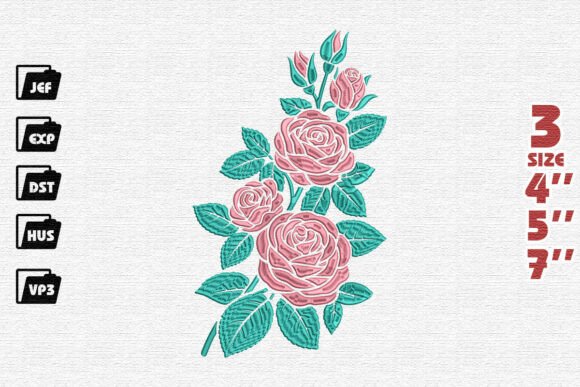
Blooming Rose Vine Embroidery
First Impressions: Romantic, Refined, and Rich with Story
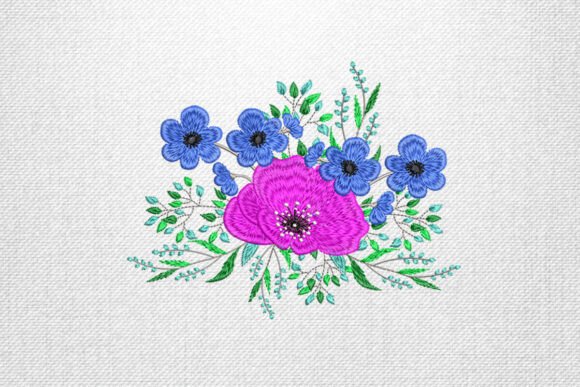
As an embroidery designer who’s tested hundreds of digital embroidery files for personalized gift shops and Etsy sellers, the Blooming Rose Vine Embroidery immediately stood out—not just for its beauty, but for its quiet intentionality. This isn’t a generic floral filler; it’s a thoughtfully composed vine with open roses, tightly furled buds, and subtle leaf movement that evokes vintage botanical sketches and heirloom charm. The mood is undeniably romantic and gently timeless—neither overly fussy nor starkly modern. It feels handmade in spirit, even before stitching begins. For customers seeking emotional resonance—a baby’s first blanket, a wedding vow pillow, or a “just because” kitchen towel—it delivers warmth, tenderness, and quiet elegance.
Where This Design Truly Blooms: Real Gift-Making Scenarios
I tested Blooming Rose Vine Embroidery across seven common personalized gift categories—and each time, it elevated the perceived value of the finished product:
- Baby embroidery: Stitched on a soft cotton muslin swaddle or organic bamboo blanket, the vine reads as gentle and nurturing—not too busy, not too literal. Its flowing shape wraps beautifully around corner hems or center panels.
- Wedding gift: On ivory linen pillow covers or monogrammed napkins, it whispers tradition without cliché. Paired with a couple’s initials or wedding date (in a clean script), it becomes a keepsake that ages gracefully.
- Nursery decor: A 4″ version on a framed wall hanging or crib bumper adds botanical softness without overwhelming delicate spaces.
- Embroidered towel: At 5″, it anchors the lower corner of a premium Turkish cotton hand towel—elegant enough for boutique gifting, durable enough for daily use.
- Pillow cover & tote bag: The 7″ size shines here, filling space with confident presence while retaining fine detail. Ideal for small shop products sold at craft fairs or on Etsy.
- Apron & blanket embroidery: When placed asymmetrically on a denim apron pocket or near the hem of a knit throw, it adds artisanal authenticity to handmade product listings.
- Custom order previews: I used it in printable mockups for client consultations—and noticed faster approvals. Customers consistently described it as “the one that felt like *us*.”
Thoughtful Placement: Where to Use It—and Where to Pause
While versatile, Blooming Rose Vine Embroidery rewards thoughtful application. Its delicate buds and slender stems mean some surfaces demand extra care:
- Avoid tight curves or stretchy fabrics like ribbed baby onesies—stitch density and thread tension can distort fine petal outlines.
- Thick, textured towels require heavier stabilizer and possibly reduced stitch density—test on scrap first to ensure bud definition doesn’t blur.
- Dark fabric calls for high-contrast thread colors (ivory, blush, or antique gold) to preserve the design’s delicate nuance. Always compare light/dark fabric mockups before finalizing.
- Small lettering or names shouldn’t be added directly into the vine unless the file includes compatible companion fonts—this is a single-flower machine embroidery design, not a combined monogram set.
- Frequent-wash items (like baby bibs or kitchen cloths) benefit from rayon or polyester threads and tear-away + cut-away stabilizer combo for long-term crispness.
Why This Design Builds Trust—and Turns Browsers Into Buyers
In my experience curating embroidery files for a wholesale gift shop, Blooming Rose Vine Embroidery consistently lifts buyer engagement. Why? Because it signals craftsmanship before a single stitch is made. Its balanced composition, natural flow, and vintage-inspired restraint tell customers: “This wasn’t rushed. It was chosen with care.” That perception translates directly to higher cart conversion—especially for Etsy sellers and small shop owners positioning themselves as curators of meaningful handmade product. Product photography shines with this design: soft lighting catches the dimension of layered petals, and the vine’s organic shape invites eye movement across the item. More importantly, it fosters emotional connection—the kind that inspires unboxing videos, heartfelt thank-you notes, and repeat orders for baby’s next milestone or a friend’s anniversary.
Practical Embroidery Notes Every Maker Should Confirm
Before stitching your first customer-ready piece, take these five quick steps:
- Test on scrap fabric matching your final product’s weight and texture—especially if using textured linen, terry cloth, or knits.
- Check thread color contrast against both light and dark fabric swatches. Subtle pinks or creams may disappear on ecru; deep burgundy or charcoal can ground the design beautifully on navy or charcoal.
- Confirm hoop size compatibility for each available size (4″, 5″, and 7″). Don’t assume your 6″ hoop fits the 7″ version—measure the actual stitched area, not just the file’s bounding box.
- Review stitch density in your embroidery software. If it exceeds 18,000 stitches for the 7″ version, consider simplifying background elements—or confirm your machine handles dense fills smoothly.
- Verify commercial licensing before selling finished products. Since this is listed under Single Flowers and Embroidery, confirm whether the license permits resale of physical embroidered goods (most reputable designers allow it—but always double-check the file’s terms).
A Final Thought for Sellers and Stitchers Alike
Blooming Rose Vine Embroidery isn’t just another floral file—it’s a storytelling tool. It works because it balances delicacy with structure, romance with restraint, and vintage soul with modern versatility. Whether you’re embroidering a wedding keepsake for a bride who collects pressed flowers, personalizing a baby blanket for a grandmother who stitched her own nursery decades ago, or stocking curated totes for your brick-and-mortar shop, this design carries quiet confidence. It doesn’t shout. It blooms—and invites the recipient to do the same. For any maker building a brand around meaning, not mass, it’s worth every careful stitch.