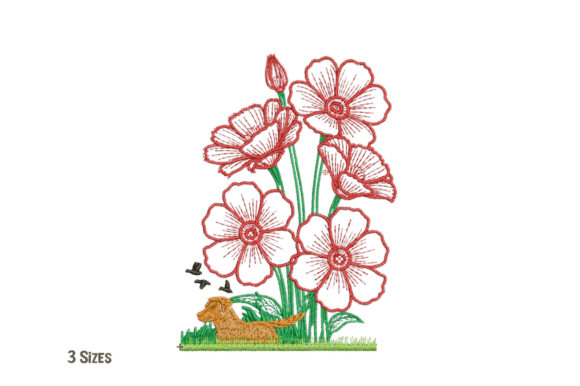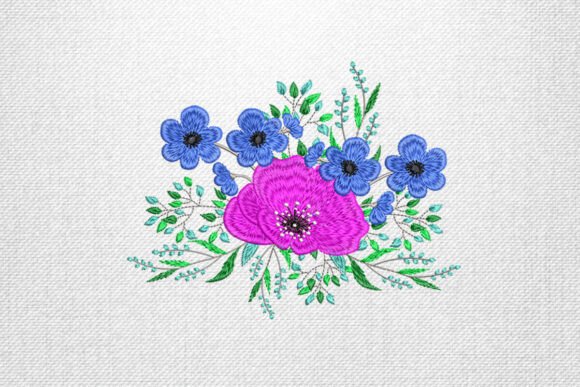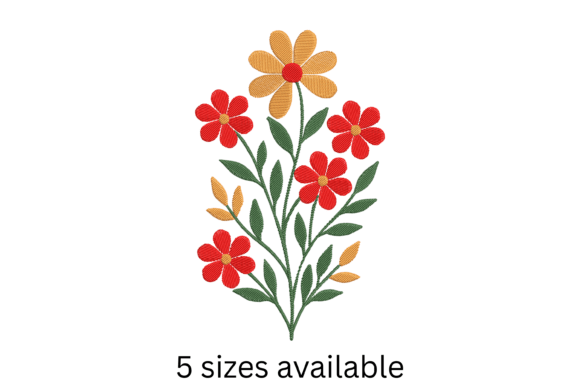
Red Yellow Floral Embroidery Design
First Impression: Bold, Cheerful, and Instantly Recognizable
As an embroidery designer who’s prepped over 200 craft fair booths—and watched thousands of shoppers pause at a table—I’ll tell you straight: Red Yellow Floral Embroidery Design lands with warmth and energy. It doesn’t whisper—it blooms. The title alone signals confidence: red and yellow aren’t timid colors. Paired with “floral,” it reads as joyful, sunlit, and approachable—not fussy or overly delicate. This isn’t a dainty cottagecore motif; it’s a friendly, vibrant statement that fits farmhouse kitchens, modern boutiques, and playful handmade markets alike. Customers scanning your booth won’t need to squint or lean in—this design grabs attention from three feet away.
Where It Shines: Craft Fair Products That Sell
On tote bag designs, Red Yellow Floral Embroidery Design works beautifully as a centered chest accent or lower-corner signature. Its balanced petal structure avoids looking lopsided on canvas or linen, and the contrast between red and yellow threads pops against natural, navy, or charcoal fabrics—ideal for versatile, gender-neutral appeal.
Apron embroidery benefits especially from this design’s scale and clarity. Positioned just above the pocket or centered on the bib, it reads cleanly even when the wearer is moving or bending. Unlike intricate botanicals that blur at a glance, this single-flower layout holds its shape—and communicates handmade quality instantly.
For tea towel embroidery, Red Yellow Floral Embroidery Design performs reliably on terry-cotton blends—but only with proper stabilizer (more on that below). Its open petal spacing allows breathability, so it won’t stiffen the fabric unnaturally. On dark tea towels? Use high-contrast thread colors and test first—red on black reads bold, but yellow may fade unless you choose matte-finish rayon or polyester.
Embroidered patches are where this design becomes a small-shop powerhouse. Sized at 3–4 inches, it fills a standard patch hoop without crowding, stitches consistently across batches, and photographs crisply for Etsy listings. As a sew-on or iron-on option, it adds instant personality to denim jackets, market bags, and kids’ backpacks.
It also excels on pillow covers and small fabric pouches. Because it’s categorized under Single Flowers, it avoids visual competition with patterns or prints—making it ideal for pairing with solid-color linens or subtle textures. On curved surfaces like caps, keep placement front-and-center above the bill; avoid stretching over the crown unless you’ve confirmed hoop compatibility and fabric give.
Production Reality Check: What You Need to Know Before Stitching
This machine embroidery design is straightforward—but not foolproof. Here’s what I watch for:
- Stitch density: While elegant, some inner petal layers may pack tightly. Always run a test on scrap fabric matching your final product’s weight and texture—especially for thick cotton twill (aprons) or looped terry (tea towels).
- Fabric texture matters: On highly textured surfaces, reduce stitch count if possible—or opt for satin-stitch outlines instead of fill-heavy versions. Your embroidery file should include alternate versions, but verify before batch production.
- Hoop size & placement: Confirm the design fits your most-used hoop. If it pushes 5×7” limits, centering on smaller items (like pouches or patches) becomes trickier—and misalignment hurts perceived quality.
- Thread colors: Red and yellow thread choices dramatically affect mood. A warm cadmium yellow + brick red feels vintage; a lemon yellow + cherry red reads modern and energetic. Keep swatches visible at your booth.
- Dark fabric warning: Yellow thread loses definition on navy, charcoal, or black unless you use metallic or high-sheen alternatives. Don’t assume contrast—test every combo.
Why It Converts: Booth Psychology Meets Handmade Value
At a crowded craft fair, Red Yellow Floral Embroidery Design strengthens your booth display strength because it’s both cohesive and adaptable. You can use the same digital embroidery file across six product types—totes, aprons, patches, pouches, pillow covers, and tea towels—without confusing your brand story. That consistency builds trust: shoppers recognize your style, return for more, and tag you organically online.
It also elevates perceived product value. A simple linen tote becomes giftable when anchored by confident, colorful embroidery. Buyers don’t just purchase utility—they buy joy, seasonality, and handmade intention. This design delivers all three.
For Etsy sellers and digital designers, Red Yellow Floral Embroidery Design supports strong printable mockups. Its clean lines, balanced negative space, and distinct color blocks render well in lifestyle photos—even on mobile screens. Pair it with natural lighting and wood or ceramic props, and your listings gain scroll-stopping clarity.
Pro Designer Notes: Your Pre-Production Checklist
Before cutting your first fabric or uploading to your embroidery machine:
- Run a test stitch on scrap fabric identical to your finished product—including wash-and-dry cycles if applicable.
- Check thread contrast in daylight *and* indoor booth lighting. Yellow thread often looks dull under warm LED displays.
- Review spacing between petals and stem—tight gaps may collapse on stretchy or loosely woven fabrics.
- Confirm your stabilizer matches both fabric type and stitch density. Tear-away works for cotton totes; cut-away is safer for knits or textured towels.
- Create at least one real mockup—not just digital. Hold it up, fold it, drape it. Does the design hold its shape? Does it feel premium?
- Compare how it reads on light vs. dark fabric. Adjust thread selection accordingly—don’t rely on screen previews alone.
- Verify commercial licensing for your embroidery file. If you’re selling finished products—not just the digital file—you need explicit permission for commercial embroidery use.
Final Thought: A Reliable Workhorse for Creative Entrepreneurs
Red Yellow Floral Embroidery Design isn’t flashy novelty—it’s dependable craftsmanship dressed in sunshine. It’s the kind of handmade product that sells because it feels intentional, joyful, and rooted in skill—not trend-chasing. Whether you’re an Etsy seller building a catalog, a boutique maker curating seasonal collections, or a craft fair veteran refining your best-sellers, this embroidery design earns its place in your core lineup. It works. It sells. And most importantly—it makes people smile before they even touch it.