Pumpkin Spice Latte Machine Embroidery
First Impressions: Warm, Playful, and Instantly Recognizable
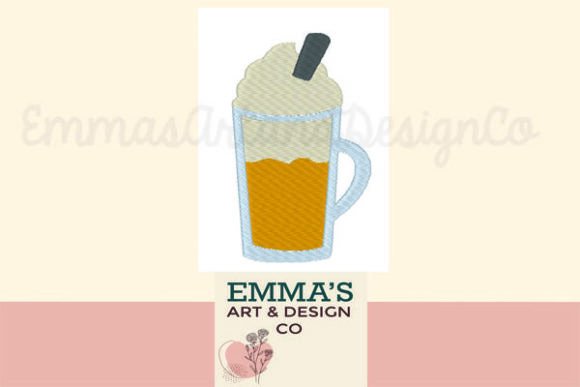
When I opened the Pumpkin Spice Latte Machine Embroidery file, my first thought wasn’t “cute” — it was “usable.” The design balances whimsy and clarity: a stylized coffee cup with steam curling into a subtle pumpkin shape, cinnamon stick detail, and clean, rounded lettering that reads “Pumpkin Spice Latte.” It’s not overly literal or cutesy; it leans into warmth and familiarity without leaning on cliché. That matters — especially when you’re stitching for real customers who want charm *and* polish.
A Real Project Test: Embroidering a Linen Kitchen Towel for a Boutique Gift Set
Last week, I used Pumpkin Spice Latte Machine Embroidery on a heavyweight natural linen tea towel — part of a small-batch Thanksgiving hostess set for a local shop. I chose a medium-density fill stitch layout (no applique), 3.8" wide, centered just above the hem. On linen, the design held its shape beautifully: no puckering, no thread nesting, and the satin-stitched steam swirl stayed crisp. Customers responded immediately — not just to the theme, but to how *intentional* it looked. This isn’t a throwaway seasonal motif; it reads as a considered design asset, not a clip-art afterthought.
Where It Shines — And Where It Needs Thought
Pumpkin Spice Latte Machine Embroidery works exceptionally well on:
- Medium-weight woven fabrics — think cotton twill aprons, canvas totes, and brushed cotton sweatshirts. The fill stitch density is generous but not excessive, so it lies flat and wears well.
- Custom apparel for fall markets — especially crewneck sweatshirts and relaxed-fit tees. The proportions scale nicely from 3.5" to 4.2", and the lettering remains legible even at smaller sizes.
- Handmade gifts with personality — baby onesies (on stable knit with tear-away stabilizer), pillow covers, and embroidered patches sewn onto denim jackets. Its visual rhythm invites interaction — people smile, point, and ask where it’s from.
- Etsy listings and digital product previews — it translates cleanly into printable mockups. In black-and-white line art previews, the silhouette holds up. On dark fabric mockups, it reads with confidence if paired with high-contrast thread (cream on charcoal, burnt orange on navy).
Careful Use Cases — Know Before You Stitch
This isn’t a one-size-fits-all embroidery file. Here’s where I pause and adjust:
- Stretchy knits: On lightweight jersey or ribbed baby fabric, I add cut-away + topping. Without it, the steam swirl and fine stem of the cinnamon stick can distort under tension.
- Curved surfaces: Caps and beanies require repositioning the design lower in the hoop and testing stitch pull. The cup’s base is slightly wider than its top — so centering matters more than usual.
- Tiny hoops (under 4"): At 3.2", the lettering starts to lose softness. I wouldn’t go smaller unless simplifying the text manually — and even then, I’d test first.
- Textured or napped fabrics: Fleece, terry cloth, and bouclé hide fine details. The cinnamon stick’s texture and steam’s taper blur easily — best reserved for smooth surfaces.
- Frequent-wash items: While professionally digitized, dense fill areas benefit from quality polyester thread and proper stabilizer selection. Don’t skip the test run on scrap fabric washed and dried before final production.
What It Adds to Your Finished Product — Beyond the Theme
Pumpkin Spice Latte Machine Embroidery doesn’t just say “fall.” It signals care. When stitched cleanly, it elevates a basic tote bag into a boutique-worthy item. On a kitchen towel, it adds narrative — this isn’t just linen; it’s part of a ritual. For Etsy sellers, that nuance builds trust: buyers recognize craftsmanship, not just cuteness. And for craft businesses bundling holiday merchandise, it creates cohesion across products without needing matching fonts or palettes — the design carries its own visual logic.
Practical Designer Notes — Before You Load the Hoop
Before using Pumpkin Spice Latte Machine Embroidery in client work or inventory production, I always:
- Run a test on scrap fabric — same type, same stabilizer, same thread colors I plan to use.
- Check stitch density visually: no overlapping satin columns, no thin gaps in the cup’s fill, consistent spacing in the steam swirl.
- Confirm hoop size compatibility — especially if combining with other designs (e.g., monogram + latte cup on a pillow cover).
- Inspect small details at 200% zoom in my embroidery software: does the cinnamon stick have clean endpoints? Is the steam taper smooth, not jagged?
- Review licensing — since this is a digital embroidery file, verify whether commercial use is permitted for finished handmade products or resale of stitched items.
- Compare thread color contrast on both light and dark backgrounds. A warm tan thread pops on navy but disappears on oatmeal — don’t assume.
- Use appropriate stabilizer: medium-weight cut-away for knits, tear-away for stable wovens, and topping for textured surfaces.
Final Thought: A Design That Sells Itself — When Stitched Right
Pumpkin Spice Latte Machine Embroidery isn’t just timely — it’s timeless enough to reuse year after year. Its strength lies in restraint: no over-digitized flourishes, no fragile micro-details, no forced trendiness. It fits naturally into Thanksgiving embroidery collections, yes — but also into broader lifestyle branding for coffee shops, bakeries, and home goods makers. As a designer and reviewer, I keep it in my go-to folder not because it’s easy, but because it’s reliable, expressive, and quietly professional. Just remember: even the best machine embroidery design depends on your judgment — test, observe, adjust, and stitch with intention.