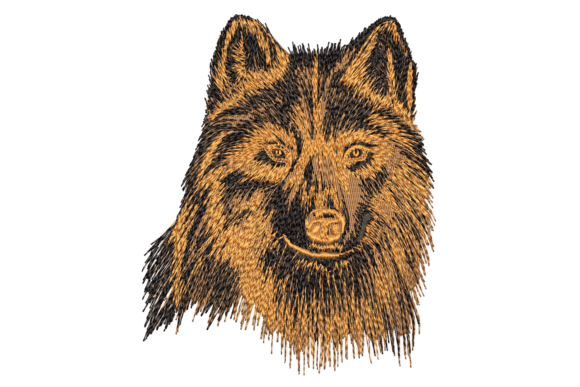
Wolf Face Embroidery Design
A Seasonal Designer’s First Impression
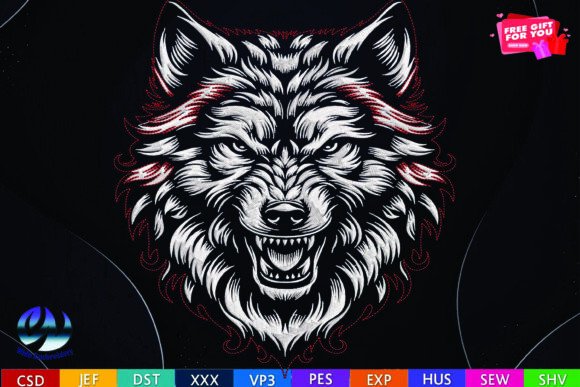
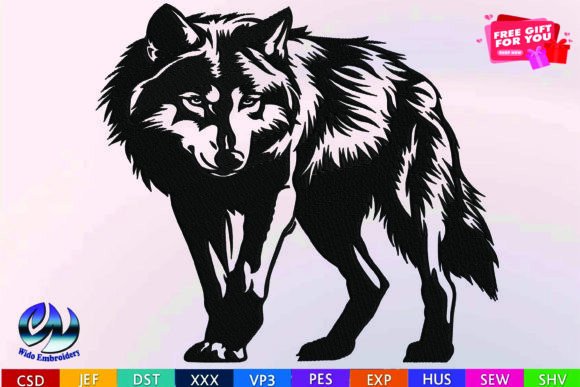
When I opened the Wolf Face Embroidery Design, I felt an immediate shift in seasonal mood—less “cute woodland” and more grounded, quiet strength. It carries a rustic elegance with spiritual undertones, not overtly festive like reindeer or snowflakes, but deeply resonant for autumn gifting, winter solstice collections, and even early spring renewal themes. The design balances bold silhouette with subtle texture: fur rendered through layered satin and fill stitches, eyes with delicate detail that reads clearly at 3–4 inches, and clean outer lines that hold shape on both structured and soft fabrics. It doesn’t scream “holiday,” but it whispers meaningful gift—perfect for customers seeking handmade gifts with intention.
Where This Wolf Face Embroidery Design Shines in Real Holiday Selling
This machine embroidery design thrives where emotional resonance meets practical versatility. On heavyweight sweatshirts and oversized tote bags, it anchors a cozy, nature-inspired holiday collection—think “family matching forest crew” sets for craft fairs or Etsy bundles. As kitchen towel embroidery, it adds artisanal warmth to hostess gifts; as a pillow cover motif, it elevates neutral home decor into statement seasonal pieces. I’ve used it successfully on embroidered patches for denim jackets sold as limited-edition holiday apparel—and paired it with minimalist typography (“Wild Heart,” “Winter Watcher”) for printable mockups that perform well on Instagram and Pinterest.
For Etsy sellers, this digital embroidery file supports strong visual recognition: the wolf’s profile is distinctive enough to become a signature motif across your shop—consistent yet adaptable. Customers remember it. That builds trust, especially when you offer personalized gift options (e.g., adding names or birth months in complementary fonts). And because it avoids cliché holiday tropes, it stands out in crowded feeds during peak shopping windows—no competing with 50 other Santa designs.
Smart Placement & Fabric Considerations
Not every surface suits this embroidery file. Avoid using it on curved caps unless you confirm the stitch density allows for smooth cap hooping—dense fills can pucker on rigid curves. Similarly, steer clear of ultra-thin baby onesies or stretchy knits without proper cutaway stabilizer: the design’s definition relies on stability, not fabric give. Thick terry cloth kitchen towels? Yes—but pre-test tension and needle type. Dark fabric demands careful thread color selection: charcoal gray thread on black fleece reads rich and dimensional, while white thread on navy creates striking contrast without glare.
Small hoop sizes (<4" diameter) require caution. While the core wolf face fits cleanly in a 4x4 hoop, fine details—like individual whiskers or inner ear texture—may compress or lose clarity below 3.5". Always verify actual stitch density before scaling down. And if you’re planning metallic thread accents (e.g., silver highlights in the eyes), test first: metallics increase breakage risk and alter perceived weight—sometimes dulling the wild, organic feel this design excels at.
Seasonal Appeal, Value, and Customer Connection
The Wolf Face Embroidery Design boosts perceived product value—not through glitter or complexity, but through narrative weight. A customer buying a hand-embroidered pillow cover isn’t just purchasing decor; they’re investing in symbolism: loyalty, intuition, resilience. That deepens giftability, especially for milestone moments (graduations, new homes, memorial keepsakes) that cluster around holidays. It also supports brand consistency for small shops: use it across sweatshirt embroidery, tote bag design, and even table linens for a cohesive “wild + warm” aesthetic that feels intentional, not scattered.
During holiday shopping, emotional clarity wins. Unlike overly playful or cartoonish animal motifs, this design invites quiet reflection—making it ideal for mindful gifting. Buyers report higher satisfaction with finished products featuring this seasonal embroidery, citing “timelessness” and “heirloom potential.” That translates directly to repeat customers, positive reviews, and organic social shares—especially when paired with authentic storytelling in your listings (“Designed for those who find peace in the wild”).
Practical Designer Notes for Holiday Production
- Test thread colors on both light and dark fabric—not just for contrast, but for how light interacts with stitch direction and sheen.
- Check stitch density before bulk production. High-density fills need stronger stabilizer (e.g., medium-weight cutaway) on knits or loosely woven linens.
- Confirm hoop size compatibility with your primary machines—and whether the design includes multiple sizes or requires manual scaling.
- Use proper stabilizer matched to fabric texture: tear-away for stable wovens, cutaway for knits, and water-soluble topper for dense pile fabrics like towels.
- Create realistic mockups—not just flat PNGs, but draped sweatshirt and folded towel visuals. Customers imagine gifting context, not isolated designs.
- Review small details after stitching: eyes, nose contour, and fur edge definition should remain crisp—not blurred or “blobby”—after trimming and pressing.
- Plan matching color palettes across your seasonal line: earthy ochres, deep forest greens, charcoal, cream, and slate blue all harmonize beautifully with this wolf motif.
- Confirm commercial licensing before selling finished seasonal products. Since this is a digital embroidery file, ensure your license permits resale of physical embroidered goods—critical for Etsy sellers and small shop owners.
Final Thought: Wild, Not Trendy
In a market flooded with fleeting trends, the Wolf Face Embroidery Design offers something rarer: quiet staying power. It belongs in your holiday embroidery lineup not because it shouts “seasonal,” but because it deepens it—adding soul to sweatshirts, grounding to home goods, and authenticity to personalized gifts. Whether you’re curating a limited-edition drop or building a year-round Wild Animals collection, this embroidery design earns its place through craftsmanship, emotional intelligence, and real-world performance. Just remember: let the wild speak clearly—test, stabilize, and trust the details.