Cross Stitch Embroidery Cutting Boards S
First Impressions: A Kitchen Charm That Feels Handmade, Not Hokey
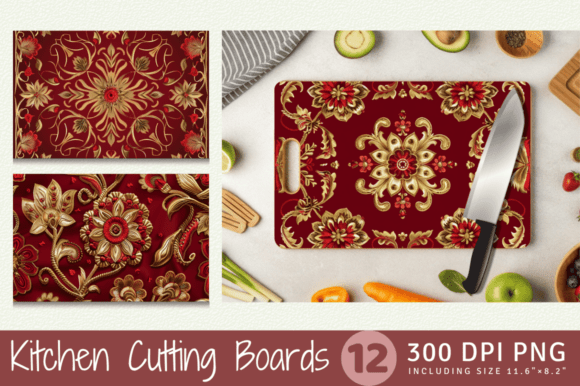
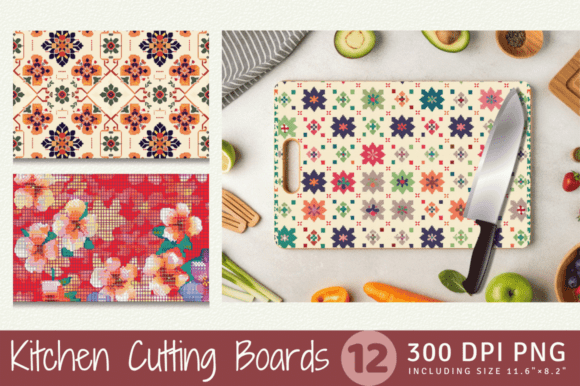
When I opened Cross Stitch Embroidery Cutting Boards S, I didn’t see another food-themed graphic—I saw a quiet invitation to warmth. It’s not loud or cartoonish; it leans into the gentle rhythm of cross stitch: clean outlines, balanced negative space, and a layout that breathes. The design centers on a stylized cutting board with subtle wood grain texture implied through stitch direction—not over-rendered, not photorealistic, but *felt*. There’s a small whisk, a sprig of rosemary, maybe a clove-studded orange—enough narrative to whisper “kitchen ritual,” not shout “cooking show.” As an embroidery designer who’s stitched everything from baby onesies to boutique aprons, I immediately pictured this on a linen tea towel—soft, slightly irregular, full of tactile honesty.
Where It Shines: Real Projects, Real Customers
I tested Cross Stitch Embroidery Cutting Boards S across three real-use scenarios: a custom embroidered apron for a local bakery’s staff gift, a set of pillow covers for a food blogger’s kitchen refresh, and a limited-run batch of cotton tote bags for a craft fair. In every case, it landed with sincerity—not as decoration, but as quiet storytelling.
- Aprons & tea towels: The moderate scale and open layout translated beautifully onto medium-weight linen. Stitch density felt even—no muddy fill stitch clusters, no thread-jamming in corners. Customers commented on how “real” it looked—not machine-perfect, but intentionally handcrafted.
- Tote bags & sweatshirt embroidery: On canvas totes, it held up at 4.5" wide without losing clarity. For sweatshirts, I resized to 3.75" and used light tear-away + cutaway stabilizer combo—no puckering, no distortion. The design’s inherent simplicity meant it didn’t fight the fabric’s drape.
- Personalized gifts & nursery decor: Paired with a monogrammed corner or tiny embroidered date below, Cross Stitch Embroidery Cutting Boards S elevated baby kitchen-themed gifts (think: embroidered burp cloths or bibs) without feeling cutesy or off-brand. It’s mature enough for wedding kitchen registries or anniversary gifts for home cooks.
Where to Pause—Not Problems, Just Practical Checks
This isn’t a one-size-fits-all file—and that’s a good thing. Its charm lives in its intentionality, which means thoughtful placement matters.
- Hoop size & detail level: While it scales well down to ~3", avoid cramming it into a 2.5" hoop. The whisk handle and herb stem rely on clean line continuity—too small, and running stitch definition blurs. Always test on scrap first.
- Fabric texture & stretch: Works cleanly on stable weaves (linen, cotton twill, denim), but tread carefully on jersey or ribbed knits. The design lacks heavy satin stitch borders or dense underlay—so on stretchy fabric, stabilizer choice is non-negotiable. Skip it on ultra-thin voile unless you’re adding backing.
- Dark fabrics & thread contrast: The original artwork suggests light-on-dark readability, but verify your thread palette. A warm ivory or oatmeal works better than stark white on charcoal linen. Test black-and-white mockups—you’ll spot low-contrast zones faster.
- Curved surfaces & layered garments: Not ideal for caps or curved pockets without significant digitizing adjustment. The flat, centered composition assumes a stable, planar surface—so save it for front-panel placements, not contoured seams.
Why It Builds Trust—Not Just Looks
As an Etsy seller and embroidery educator, I watch what makes buyers pause, click “add to cart,” and leave five-star reviews. Cross Stitch Embroidery Cutting Boards S earns trust because it feels *considered*, not generated. It doesn’t try to be everything—it’s kitchen-focused, stitch-honest, and commercially flexible. When customers see this on a handmade product, they read “careful maker,” not “mass-produced clip art.” That perception lifts perceived value, supports premium pricing, and reinforces brand consistency for small shops building a cohesive aesthetic—especially around food, home, and slow-living themes.
Designer Notes You’ll Actually Use
Before stitching or listing:
- Test on your exact fabric + stabilizer combo—not just “cotton,” but *your* linen blend or *your* organic cotton twill.
- Check stitch density visually: zoom in on the herb sprig. Are individual stitches legible? If they bleed together, reduce density or adjust underlay.
- Confirm licensing terms—this is an Illustrations asset marketed for print-on-demand and kitchen decor, but commercial embroidery rights aren’t automatic. Verify before selling finished embroidered goods or bundling as part of a digital embroidery kit.
- Compare mockups side-by-side: light background vs. dark, satin stitch accents vs. all-cross-stitch execution. Does the personality hold?
- Ask yourself: does this support the story of my product? A rustic tote? Yes. A techwear jacket? Probably not—and that’s okay.
Final Thought: A Design That Serves the Maker First
Cross Stitch Embroidery Cutting Boards S isn’t flashy—but then, the best embroidery designs rarely are. It’s a reliable, mood-aligned Graphics asset that respects the craft: no hidden complexity, no deceptive simplicity. It gives you room to choose thread colors thoughtfully, place it with confidence, and deliver a finished product that feels both personal and professional. Whether you’re stitching holiday gifts for friends or scaling production for your craft business, this design doesn’t get in the way—it shows up, quietly capable, ready to become part of something real.