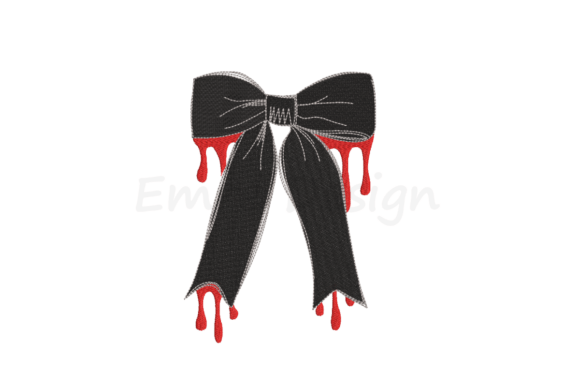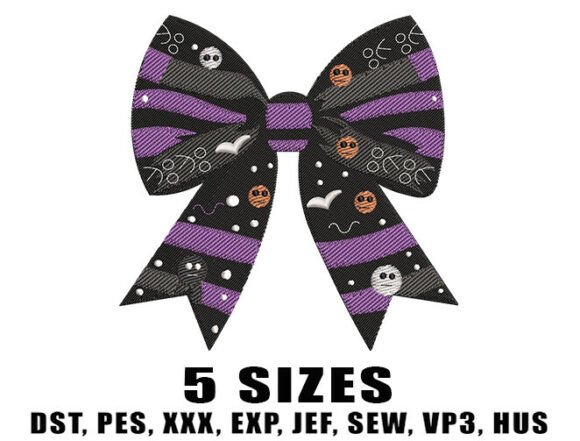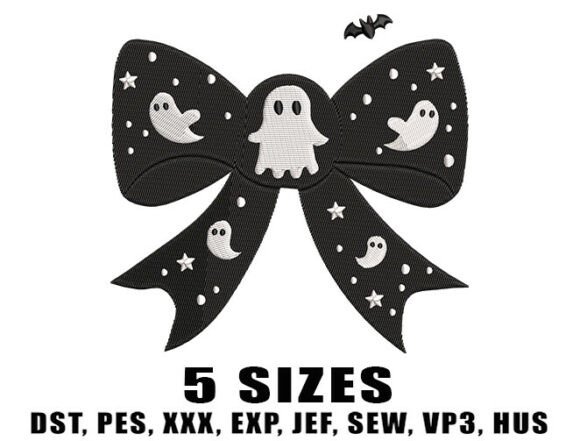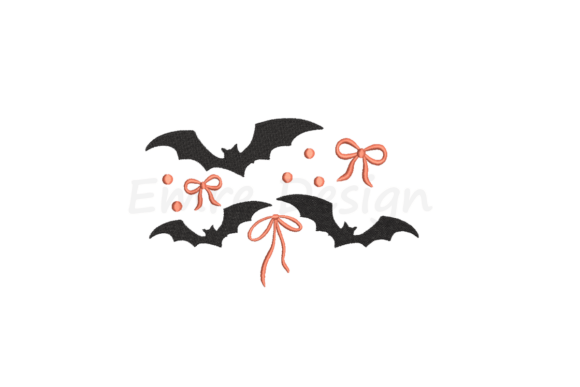
Coquette Halloween Bats Embroidery
A Practical Review for Small Business Merch & Branded Patches
As an embroidery designer who’s developed hundreds of commercial designs for cafés, boutiques, bakeries, florists, and pet brands, I approached Coquette Halloween Bats Embroidery with a very specific question: *Does this design earn its place on staff aprons, tote bags, and customer-facing branded patches—not just as decoration, but as intentional brand expression?*
First Impression: Playful, Polished, and Professionally Whimsical
The title alone—Coquette Halloween Bats Embroidery—immediately signals personality. “Coquette” suggests charm, lightness, and deliberate flair—not cartoonish or spooky, but elegantly mischievous. Paired with “Halloween bats,” it avoids cliché while staying seasonally clear. From the product description—“a charming embroidery design… fun and whimsical touch”—I expected soft curves, balanced negative space, and a hand-drawn sensibility that reads as intentional, not generic. That’s critical for small business merch: customers notice when a design feels like part of your story, not just slapped on.
Real-World Performance Across Business Touchpoints
This design shines where small businesses need versatility: embroidered patches for uniforms, chest logos on aprons, sleeve accents on staff tees, front-cap embroidery for seasonal pop-ups, and subtle yet memorable tote bag designs. Its charm translates well to boutique merchandise—think lavender-scented sachets with a tiny bat patch, or handmade ceramic mugs paired with a coordinating embroidered tea towel.
- Embroidered patches: The composition holds up beautifully at 2.5"–3.5" sizes—ideal for iron-on or sew-on branding on denim jackets, canvas totes, or shop aprons.
- Apron embroidery: Works as a tasteful corner accent or centered chest motif without overwhelming fabric texture or competing with functional pockets.
- Cap embroidery: Clean outlines and moderate detail allow crisp reproduction on curved fronts—especially when digitized with appropriate underlay and pull compensation.
- Tote bag design: Scales well to 4"–5" widths, adding visual interest without sacrificing durability or readability at arm’s length.
- Product packaging accents: A small stitched bat on kraft paper gift tags or reusable cotton drawstring bags elevates perceived value and reinforces handmade product authenticity.
Where to Use It Thoughtfully (Not Just Generously)
Even charming designs have limits—and overlooking them risks inconsistent results. Here’s where Coquette Halloween Bats Embroidery needs smart execution:
- Small patch sizes (<2"): Test first. Fine details (like wing veining or delicate coquette flourishes) may collapse or blur below 1.75". Prioritize clarity over cuteness.
- Curved surfaces (caps, sleeves): Confirm hoop size compatibility and use medium-weight cutaway stabilizer to prevent puckering.
- Textured fabric (terry cloth towels, burlap, linen blends): Higher stitch density can sink into loops or gaps—adjust fill density or opt for satin-stitch outlines only in key areas.
- Dark uniforms or frequent-wash items: Choose high-contrast thread colors (e.g., cream on charcoal, gold on navy) and verify colorfastness—especially if selling to cafés or bakeries where laundering is daily.
Brand Identity Impact: More Than Just Seasonal Flair
Halloween merch often leans into novelty—but Coquette Halloween Bats Embroidery supports long-term brand identity because it balances seasonal relevance with timeless character. A local florist using it on staff aprons communicates creativity and warmth; a pet brand applying it to leash tags hints at playful sophistication. That duality builds recognition and trust: customers remember how your brand feels, not just what it sells.
It also strengthens visual consistency across touchpoints—whether you’re using the same embroidery file for tote bags, printable mockups, and digital assets. When your Etsy shop banner, product photos, and physical patches all echo the same delicate line quality and proportion, buyers perceive cohesion, care, and professionalism—even before they click “add to cart.”
Practical Designer Notes Before You Stitch
Before committing to production, run these checks—especially if you’re sourcing the digital embroidery file for commercial embroidery or reselling branded patches:
- Test stitch in black and white first—this reveals spacing issues, overlapping elements, and legibility at scale.
- Verify performance at your target patch size (e.g., 2.75" wide). Does the bat’s wingtip stay distinct? Is the coquette curve still graceful?
- Review thread color contrast against your most common fabric bases—light fabrics vs. dark, smooth vs. textured.
- Inspect lettering (if included) and outline spacing—tight kerning or thin strokes won’t survive dense stitching.
- Confirm hoop size requirements and whether the design fits your standard embroidery machine setup.
- Always test on your actual fabric—especially with stretchy knits or loosely woven canvas—to assess stabilizer needs and stitch tension.
- Create a printed or digital mockup for client approval—this prevents costly rework and sets clear expectations.
- Compare Coquette Halloween Bats Embroidery beside your existing design assets—is it tonally aligned? Does it extend your brand voice or distract from it?
- Double-check commercial licensing terms. If you’re selling finished products (not just files), ensure the license permits small business merch, custom apparel, and resale of embroidered goods.
Remember: the best machine embroidery design isn’t just beautiful—it’s reliable, adaptable, and purpose-built for how real small businesses operate. Coquette Halloween Bats Embroidery delivers that balance when used with intention. It’s not just a Halloween decoration. It’s a thoughtful, scalable piece of your brand’s visual language—ready for aprons, patches, totes, caps, and everything in between.